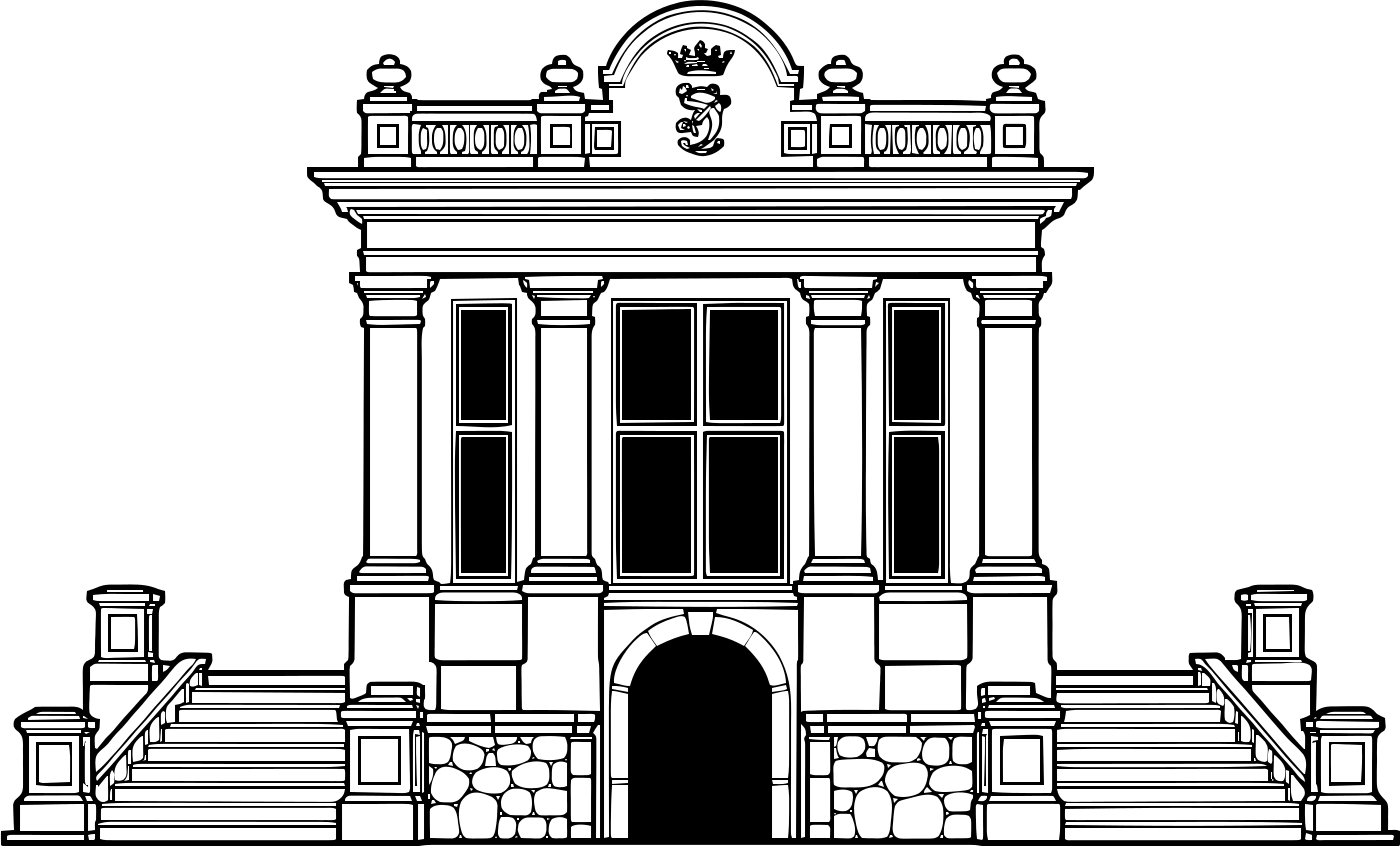
Kőröspatak Castle
Valea Crișului · Covasna
 I.
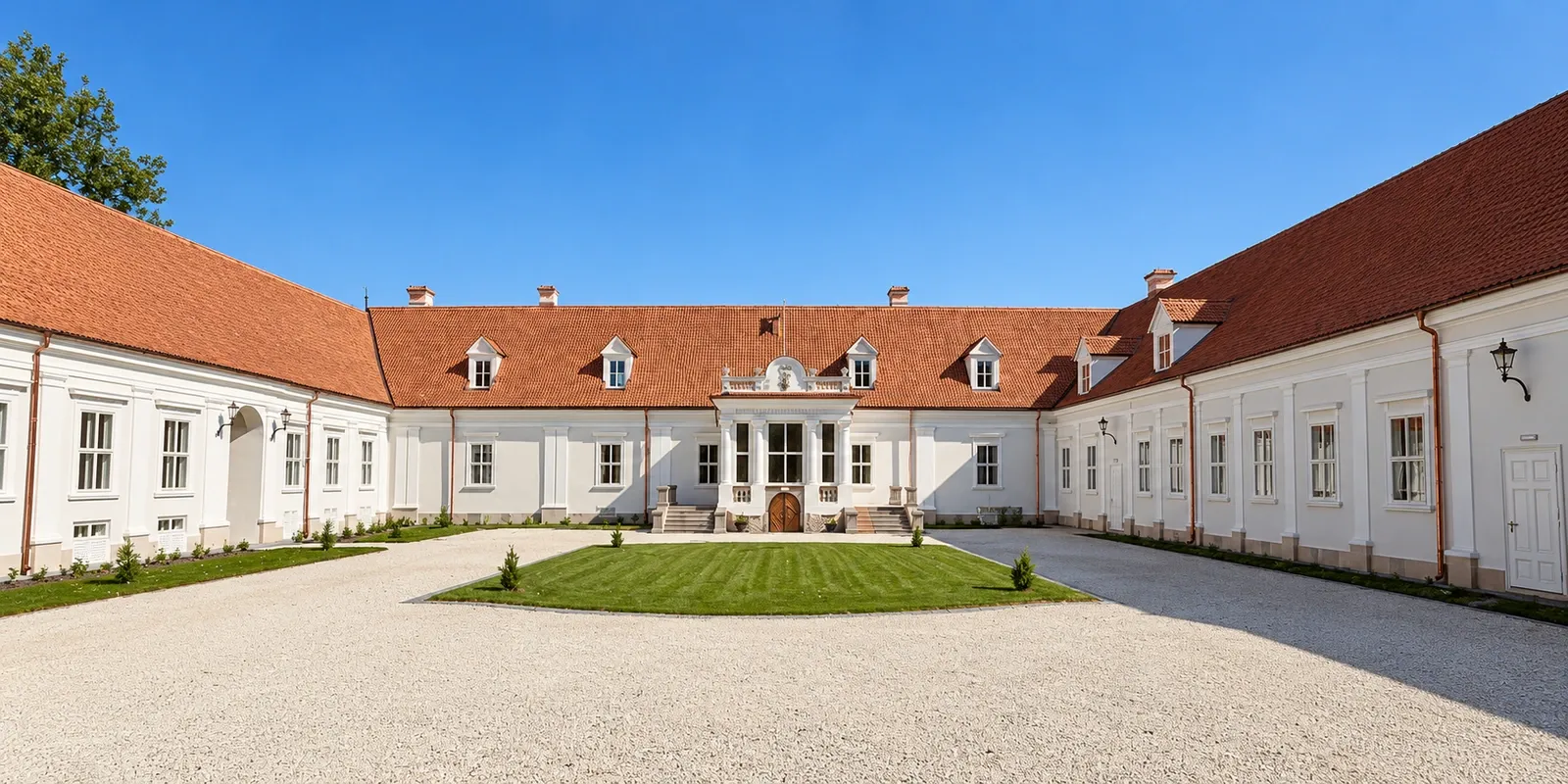
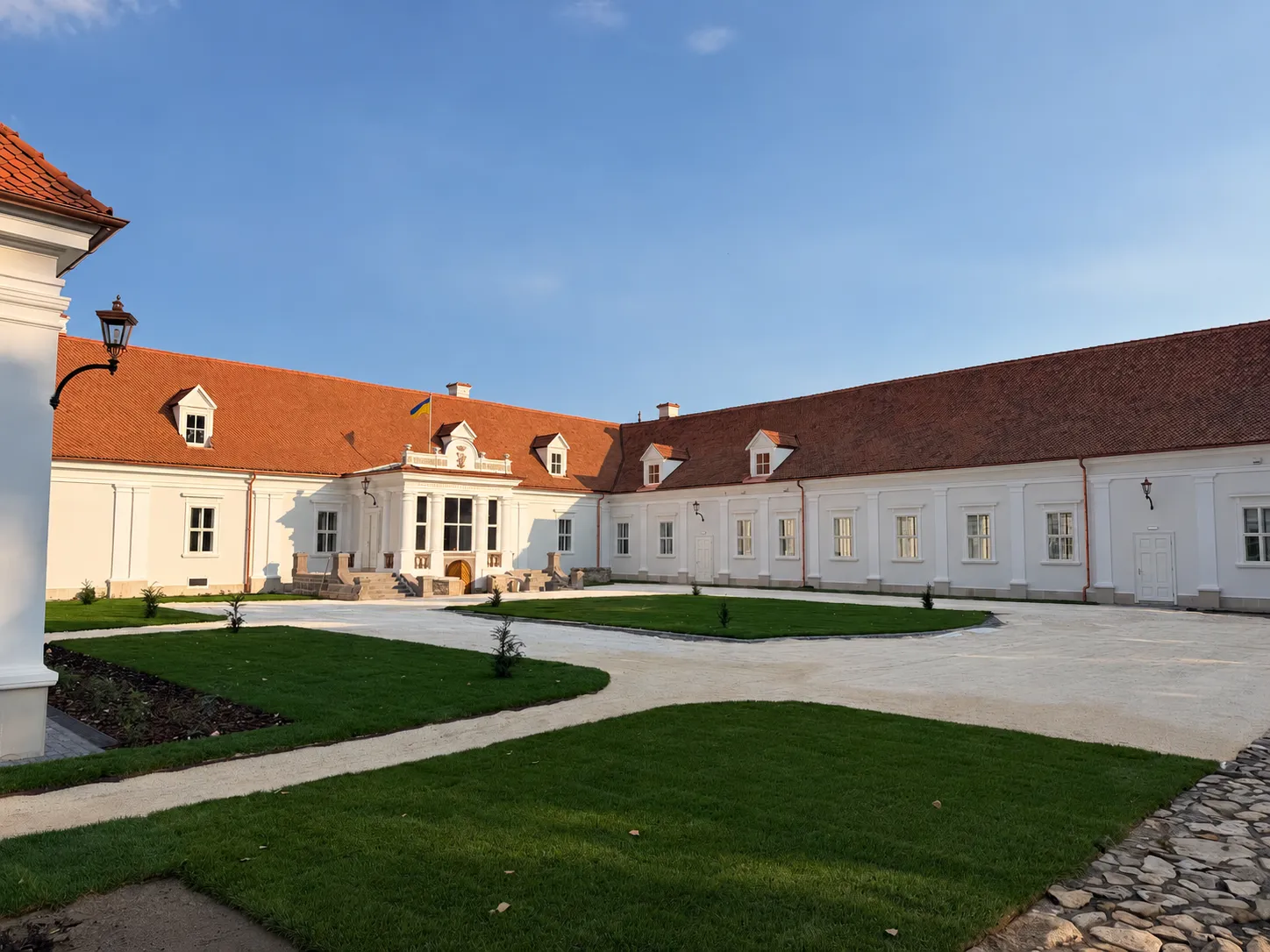
The castle at Valea Crișului
The Kálnoky family’s ancestral castle stands in Valea Crișului, near Sfântu Gheorghe. Its first public museum exhibition opens on 28 November 2026.
The Museum
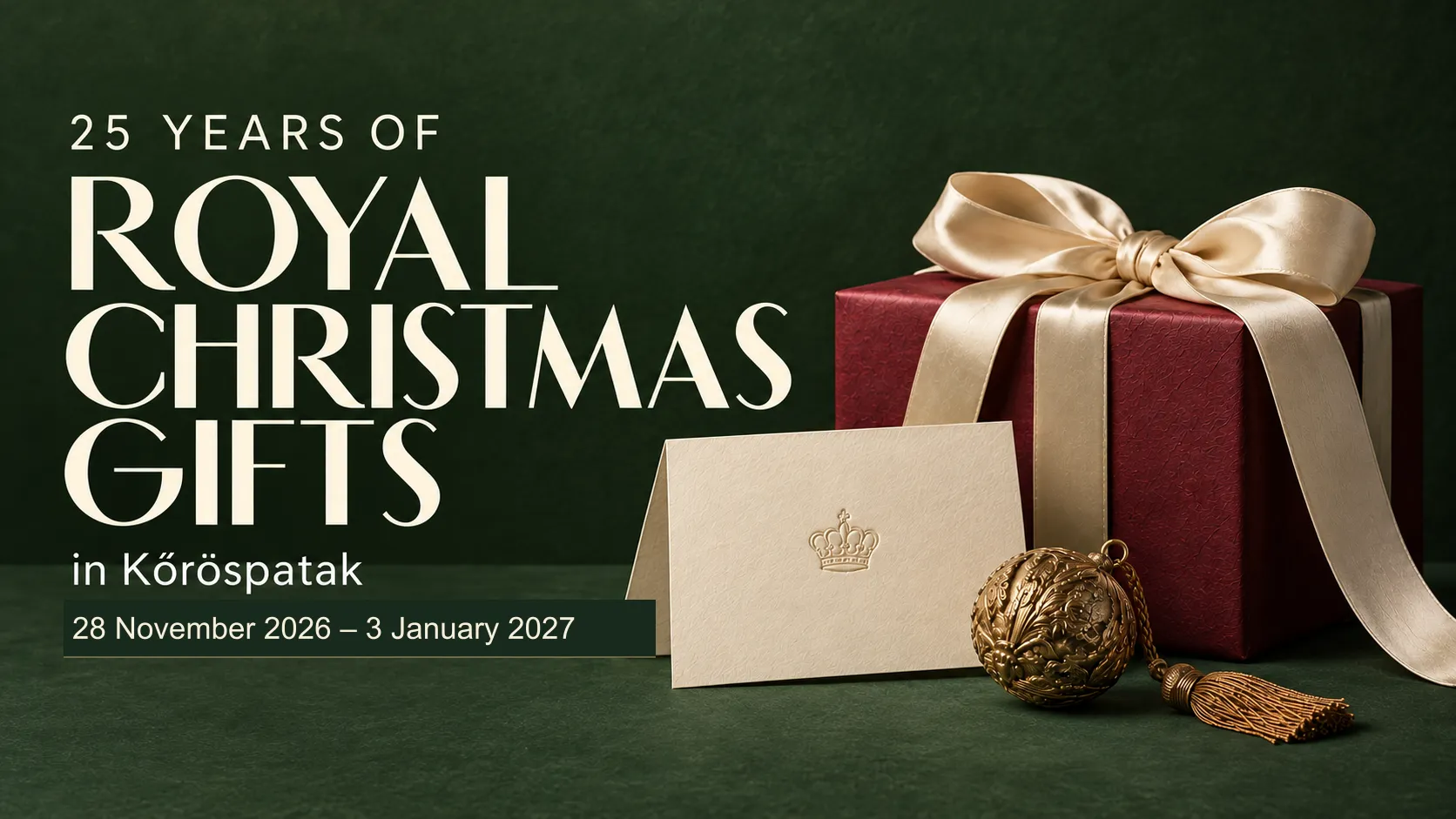
25 Years of Royal Christmas Gifts in Kőröspatak
28 November 2026–3 January 2027
Buy tickets
Guided exhibition visit · 50 minutes · Adults: 40 RON · Pensioners, children aged 18 and under, and students with a valid student card: 30 RON
Visits 28 November–23 December, 26–30 December and 2–3 January
Buy ticketsPhotoshoot packages & reservations →
At the castle café
Take a moment at the café during your visit to the castle. Please ask the estate for current service details.
Getting here
Valea Crișului, Covasna county
Valea Crișului · Sepsikőröspatak
Castle address
Strada Orbán Balázs 6, Valea Crișului, Covasna, RomaniaThe map needs JavaScript. The driving links below remain available.
© OpenStreetMap contributors
History
History
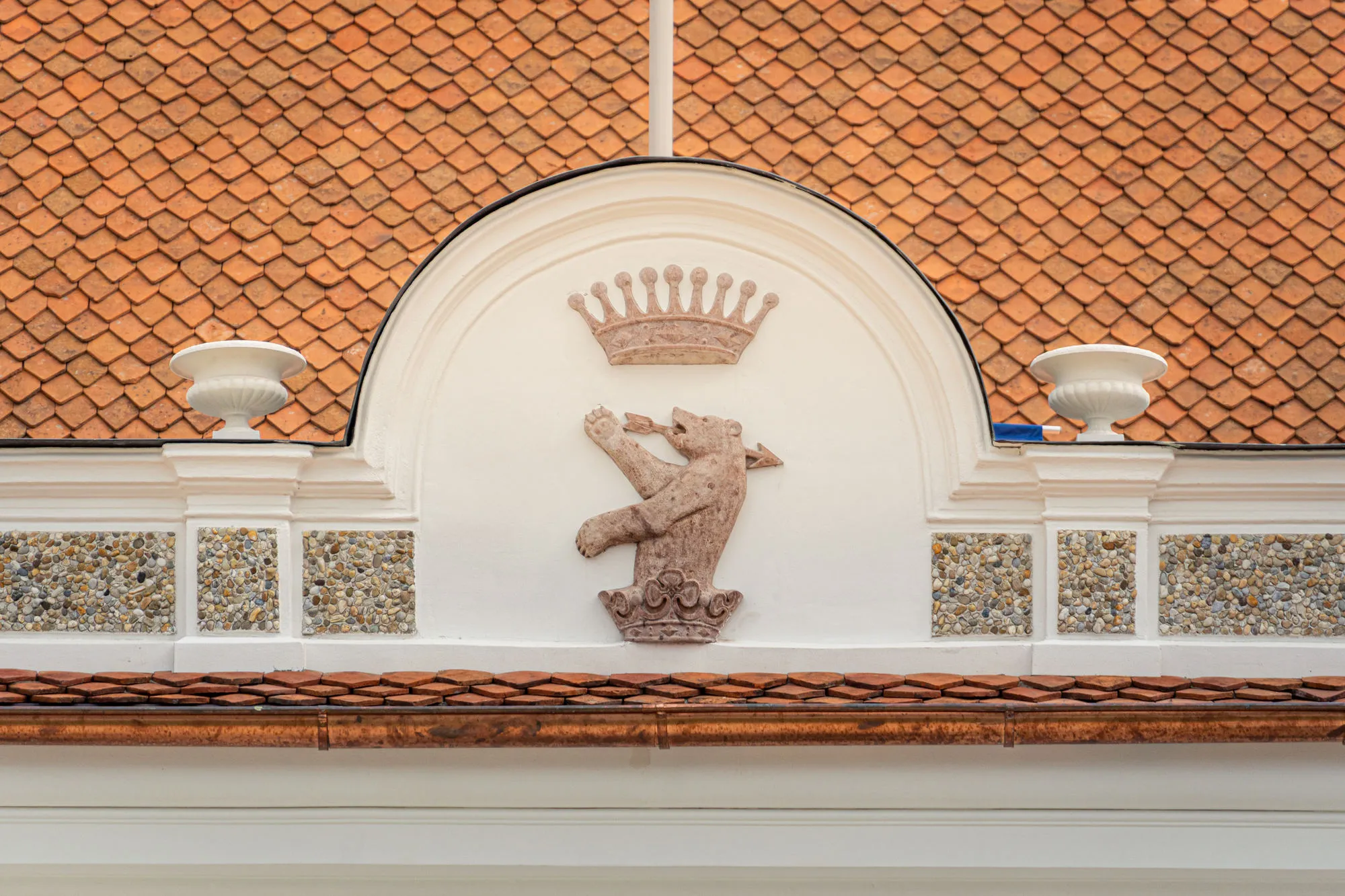
The family’s connection to this region is documented long before the present castle. The building grew from a late-sixteenth-century stone house through later rebuilding, loss and return.
Older roots, a later house
A royal grant of 1252 to Bencenc, son of Akadás, documents an early family connection to the region; it does not date this building. In the late 1500s Bálint Kálnoki built a stone house at the eastern edge of Kőröspatak, on the site of the present castle.
A house repeatedly changed
Bálint’s house was burned around 1601. His grandson István later repaired and enlarged it. War reached the estate again in 1690. By 1790 its defensive wall had disappeared. The memoir does not give a completion date for the present horseshoe-shaped, 25-room building.
Ludmilla and Hugó
Around 1900 Ludmilla Kálnoky founded a village school. After war and land reform weakened the estate, she chose her relative Hugó as successor in 1923. He inherited the castle in 1928 and made it a family home despite its limited income.
Exile and return
Hugó and his family left in 1939. During communist rule the castle served as a collective farm headquarters and its park was altered. His descendants revisited the village from 1987; Tibor Kálnoky later pursued its return. The memoir says the roof had been repaired by the time of writing, while full restoration remained a future project. The owner confirms the castle opened to the public in 2026.
A short chronology
- 1252
A regional connection is recorded
Read context
Béla IV’s grant to Bencenc, son of Akadás, concerns family land, not the date of the present castle.
- late 1500s
Bálint builds a stone house
Read context
The house stood on the eastern village site of the current castle; its exact construction year is not given.
- 1601–1690
Fire and rebuilding
Read context
The early house burned around 1601; István later enlarged it. A further burning is recorded in 1690.
- 1923–28
Ludmilla chooses Hugó
Read context
She selected him in 1923; he inherited in 1928.
- 1939–1987+
Departure and return visits
Read context
Hugó left in 1939. Descendants revisited from 1987, followed by a long legal return process.
- 2026
Opens to the public
Read context
The owner confirmed the opening; current visiting arrangements should be checked separately.
About this account
Paraphrased from Borisz Kálnoky, Őseim földje – A megtalált haza, supplied manuscript, Introduction and chapters 11, 16–17, 24–25, 27, 29–31 (pp. 127–135, 166–178, 249–277, 283–309). The 2026 public opening was confirmed by the owner on 26 September 2026; check current visiting arrangements separately.
Gallery
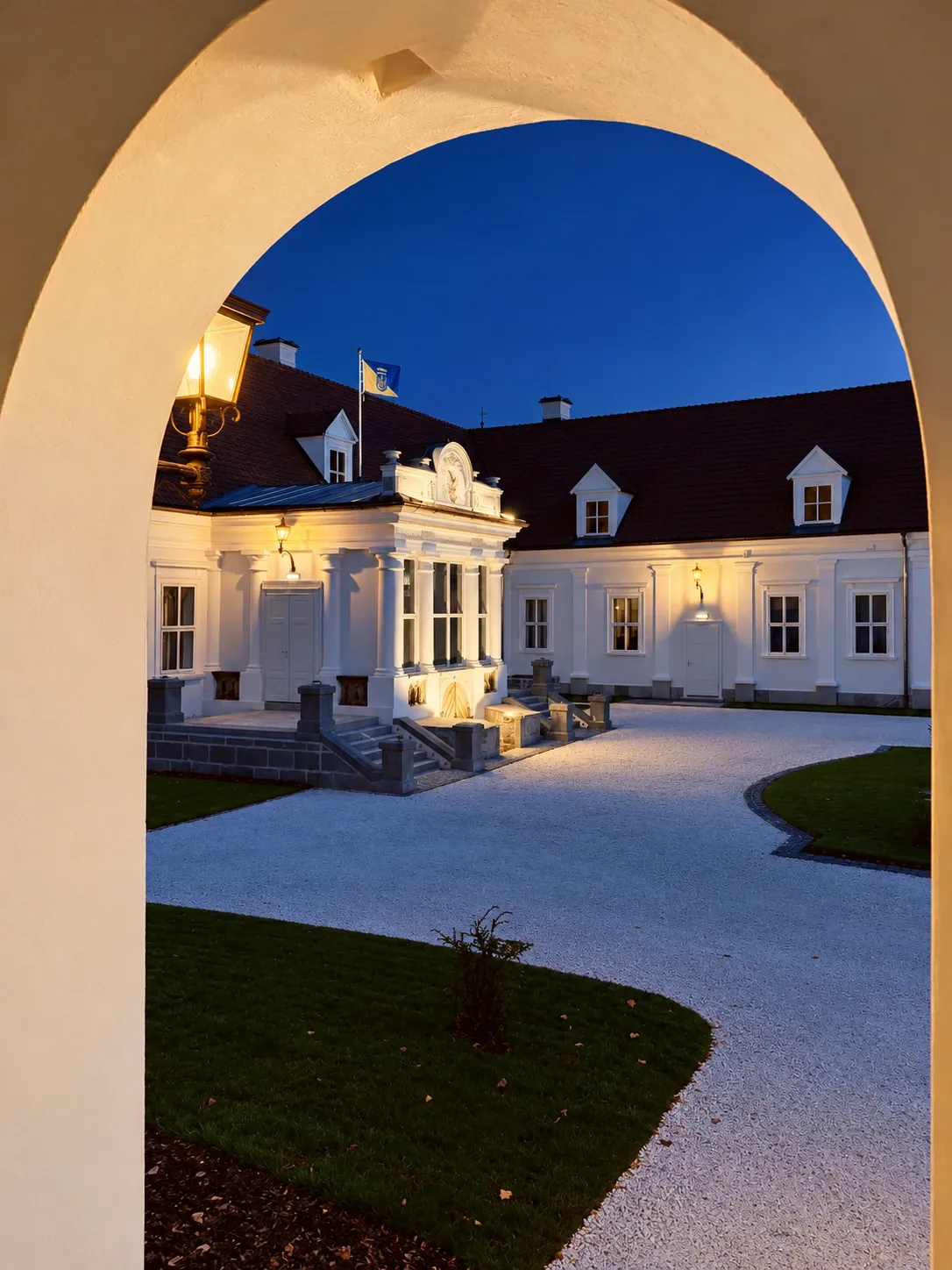
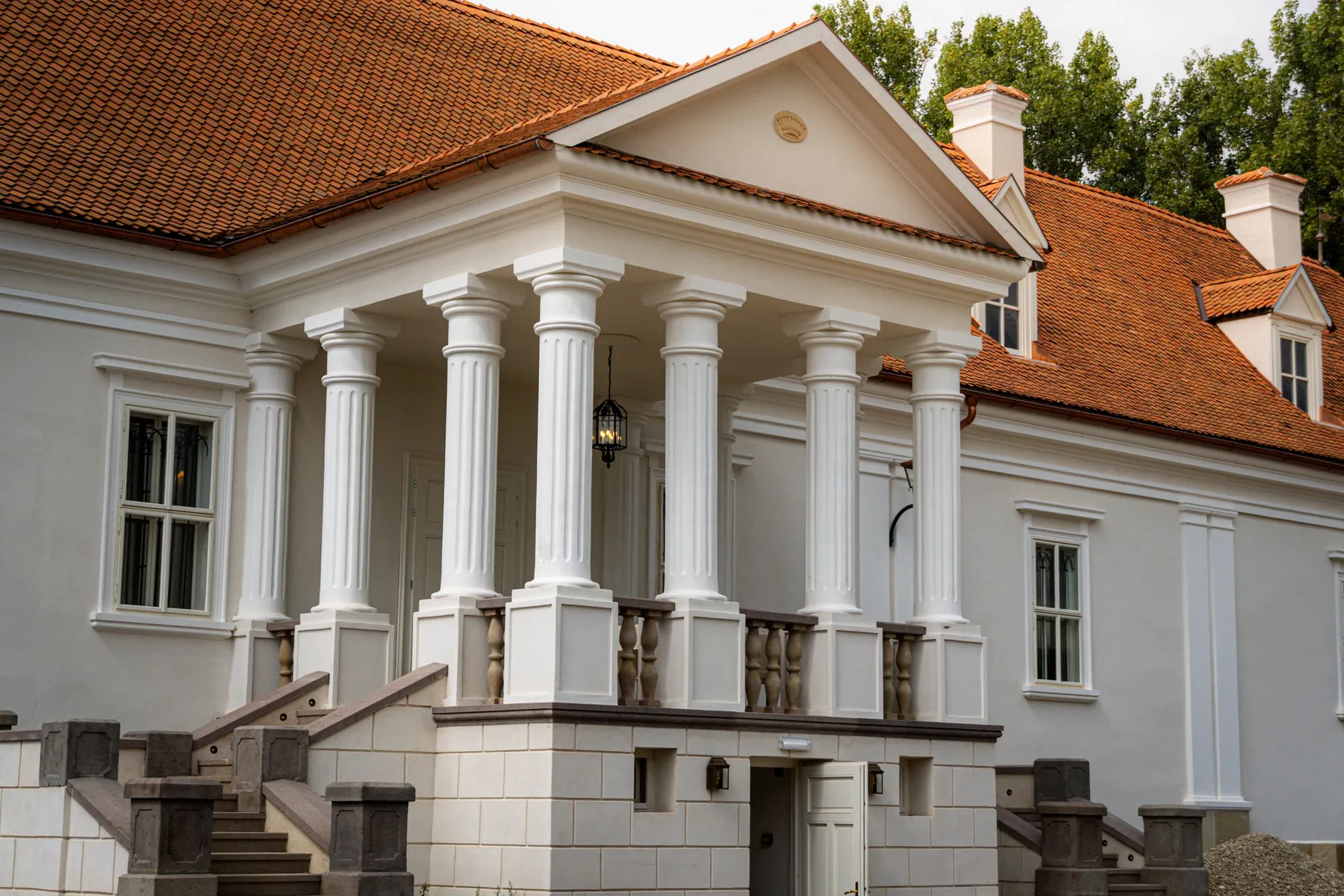
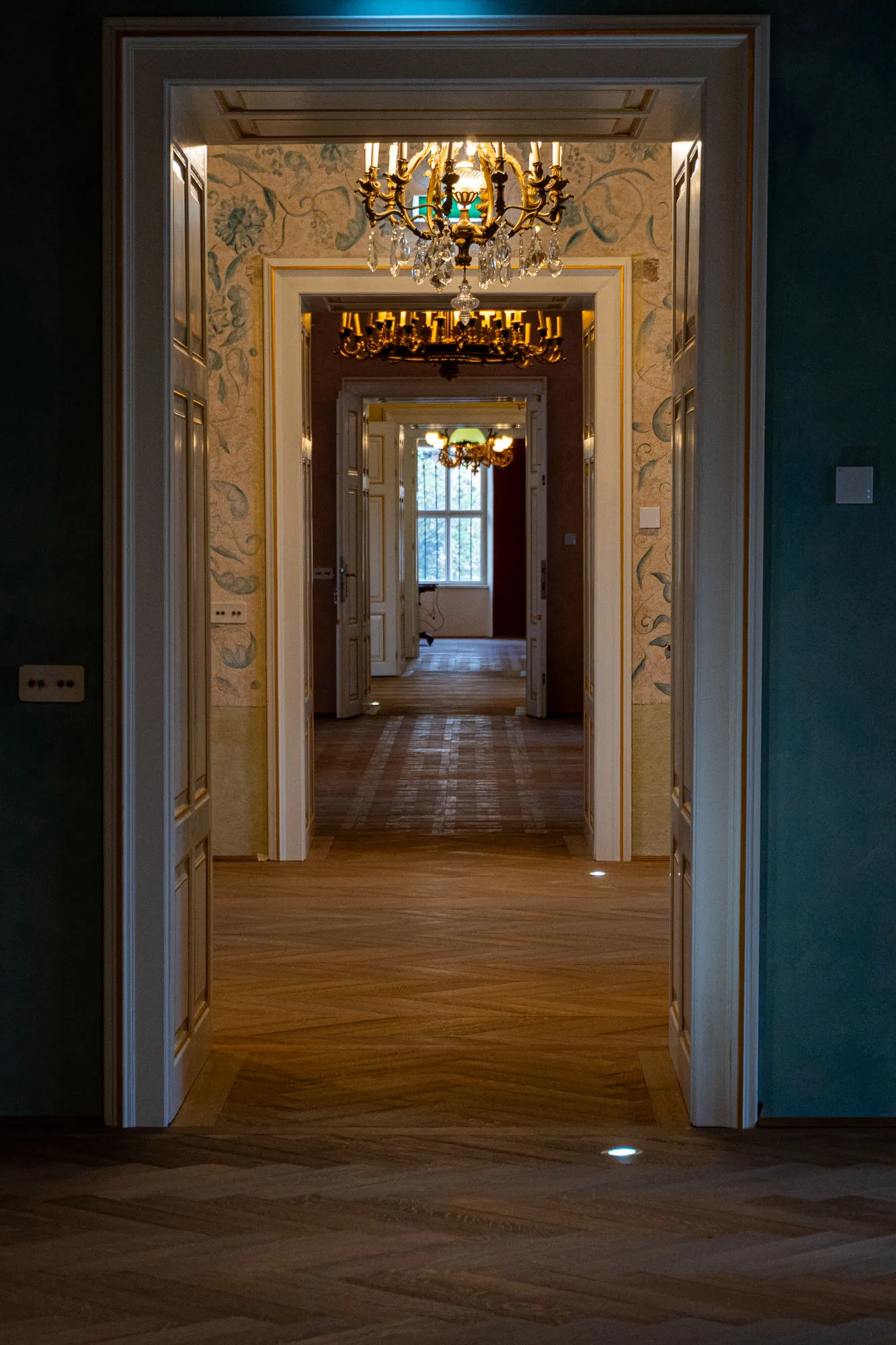
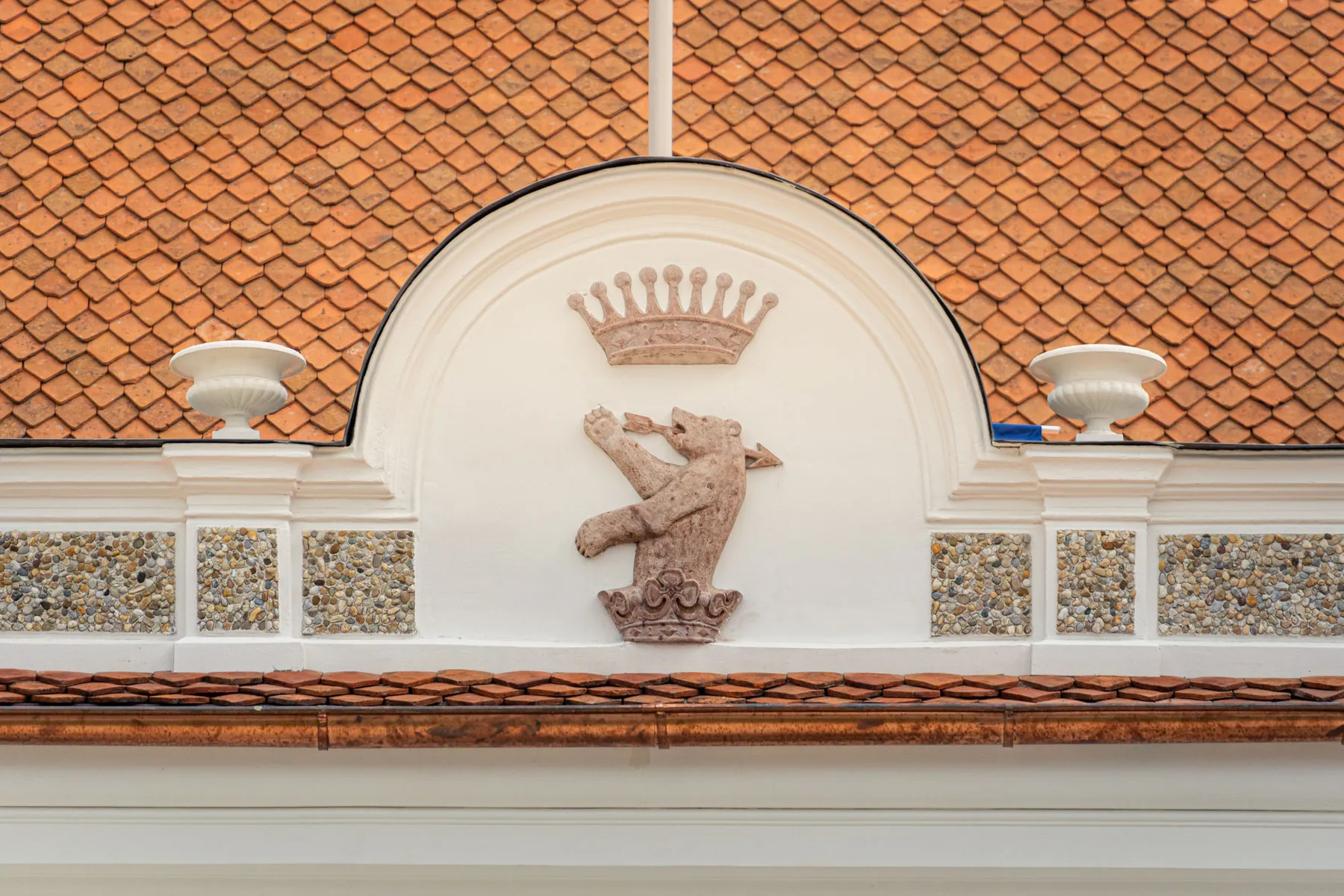
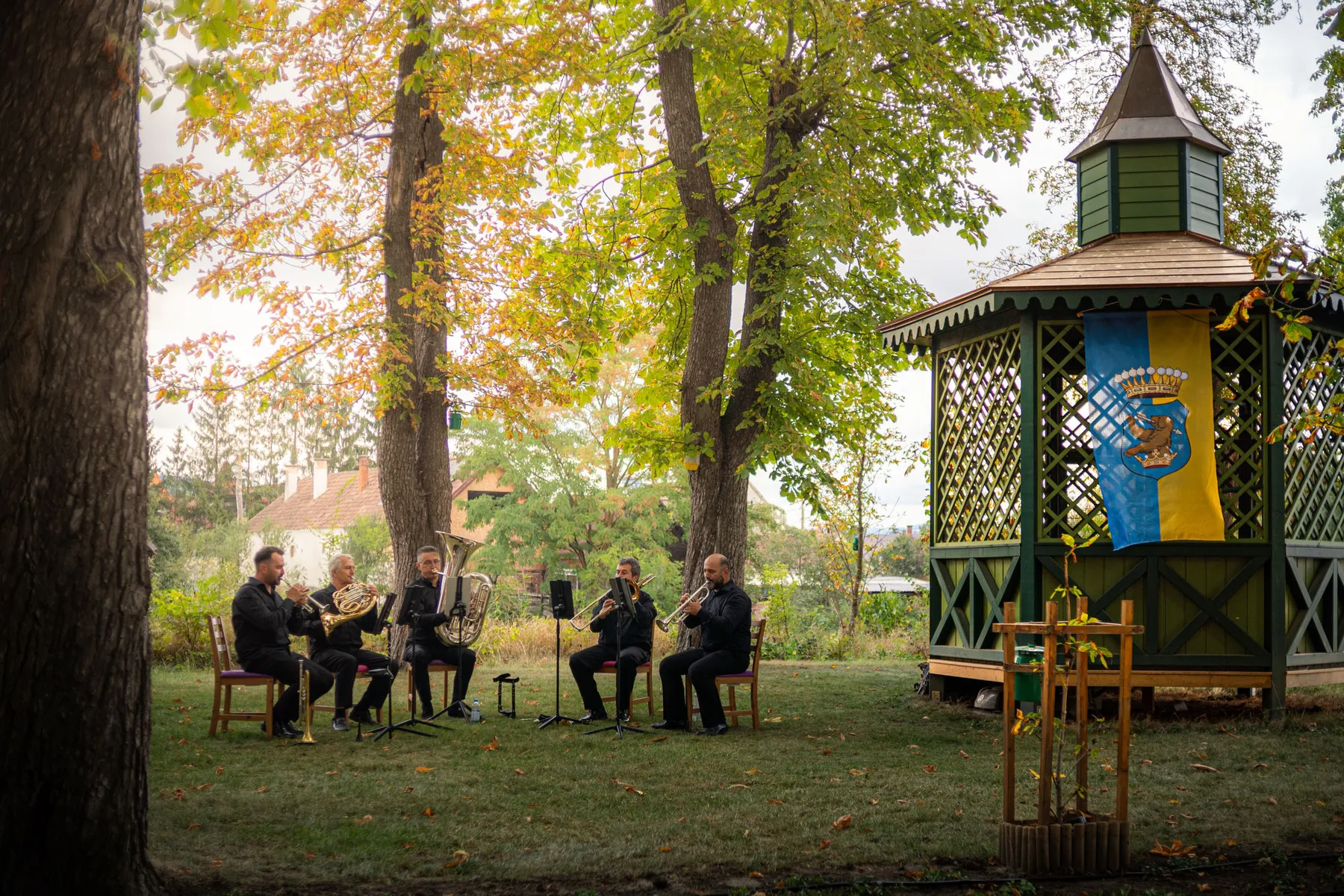
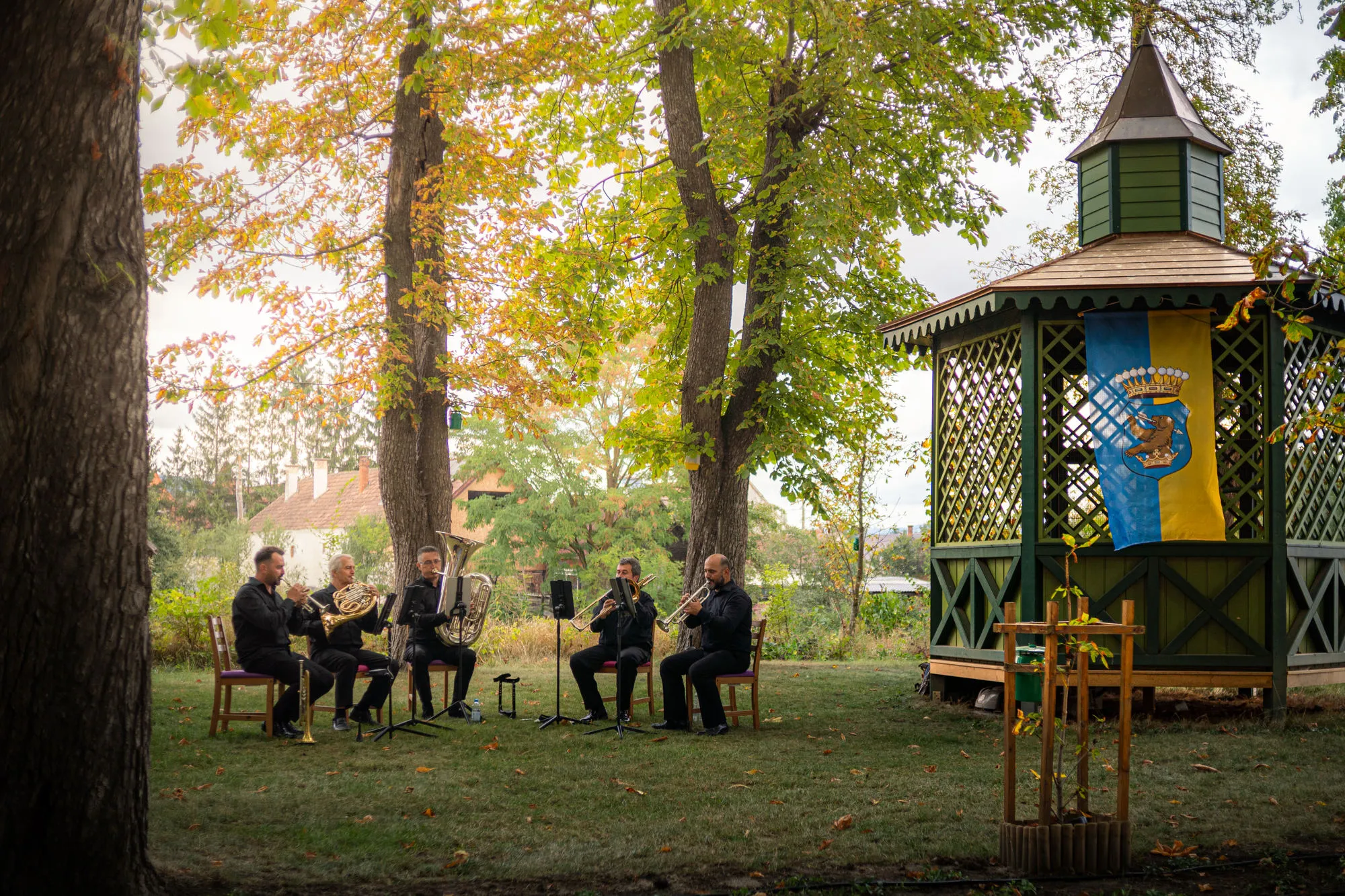
Views of the castle and its interiors at Valea Crișului.